






Yesterday I went to buy much needed new running shoes. Right now I’m training for a half marathon. Not because I particularly like running, because I don’t, but to challenge myself to do something I never thought I could do. I’ve been training for the past few months and it was going pretty good until about 3 weeks ago. I started getting these killer cramps in my calves every time I tried to run. They were almost like charlie horses. This stopped my training dead in its tracks, then the holidays came along and there was food, drinking, partying…you know the rest. Now here I was 3 weeks before my race, I hadnt run more than 3 miles in the past few weeks and I was freaked out that I wouldn’t be able to compete. And the stupid $50 fee is not refundable so I was going to that race, ready or not. After a talk with my coach and Alex they were like it’s your cheap-o shoes. Although I work out a lot, I hate to spend a lot of money on workout gear. I’m like what’s the point if I’m just going to sweat in it, get mud on it or ruin them outside?! Here is a pic of my last pair of shoes .
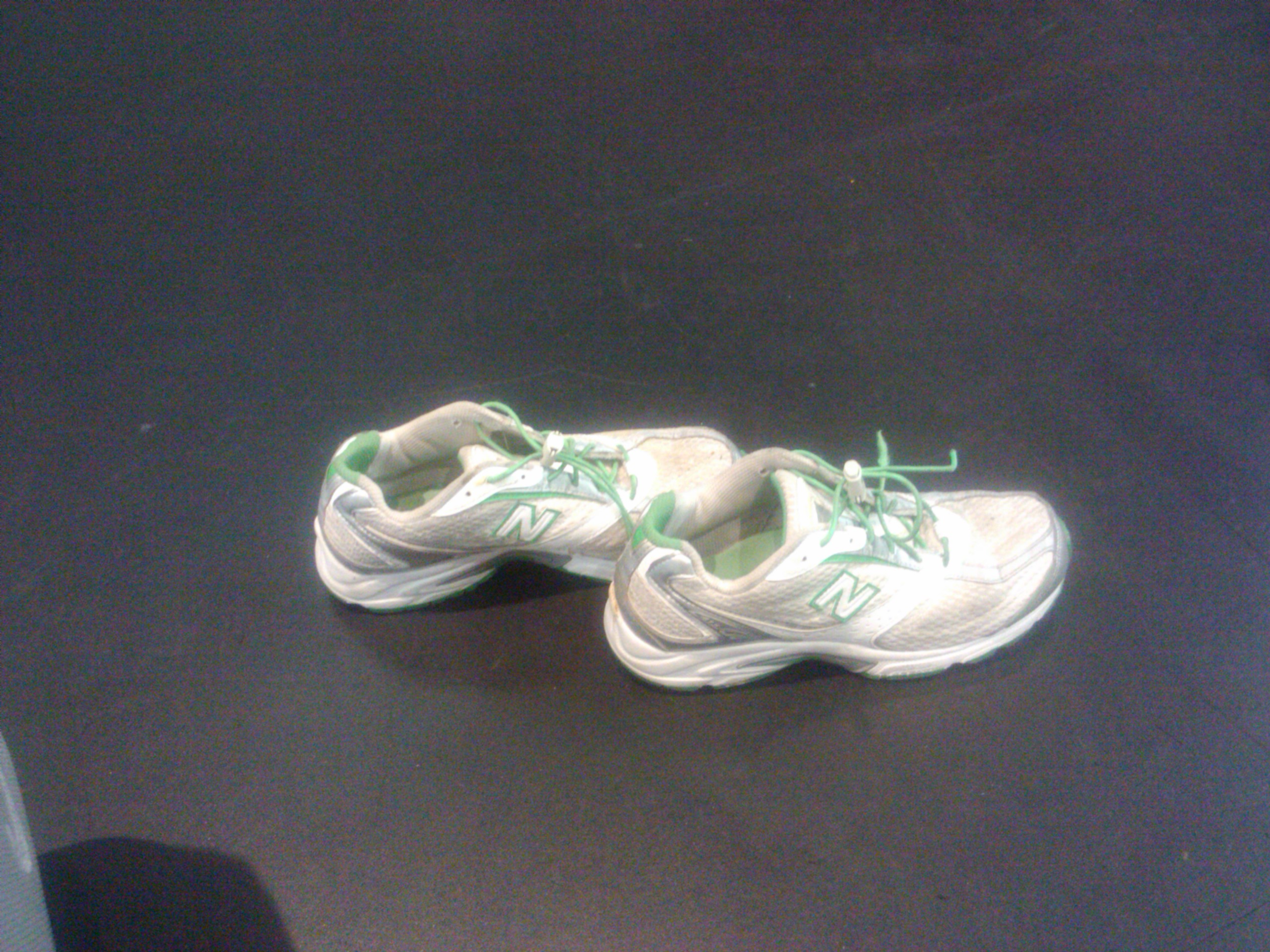
They were extra basic , with minimal padding. I literally picked the cheapest pair I could find. But they have seen better days so decided to take a trip to Luke’s Locker and they were so helpful. My sales guy explained to me how there were 3 different types of shoes:
Stability Shoes
A stability shoe is for people who mildly or moderately over pronate when they run. Over pronate is a fancy running term for when your feet and ankles roll inwards when you run. This causes the arch of your foot to flatten which can cause a myriad of injuries. If you are still a little unclear on what I mean here is a picture to explain it:
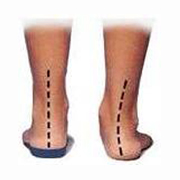
This is an example of a foot over pronating on the right. A stability shoe has arch support and mid sole cushioning to keep the foot and ankle in the correct or “neutral” position while running or walking.
Motion Control Shoes
Motion control shoes are for runners who severly over pronate when then run. This shoe provides maximum rear foot control and extra arch support. Motion-control shoes are also good for runners who are a little heavy because it provides plenty of support and durability.
Neutral Shoes
Neutal shoes are for runners who have a high arch, they provide maximum shock absorption and dont interfere with foot’s natural motion.
I’m a neautral shoe wearer. I tried on 4 pairs. Asics with gel cushioning, Brooks Ghost, Masuno wave rider and a pair of sacounys. I settleed on the Sauconys because they were the most comforatble and had the most padding.
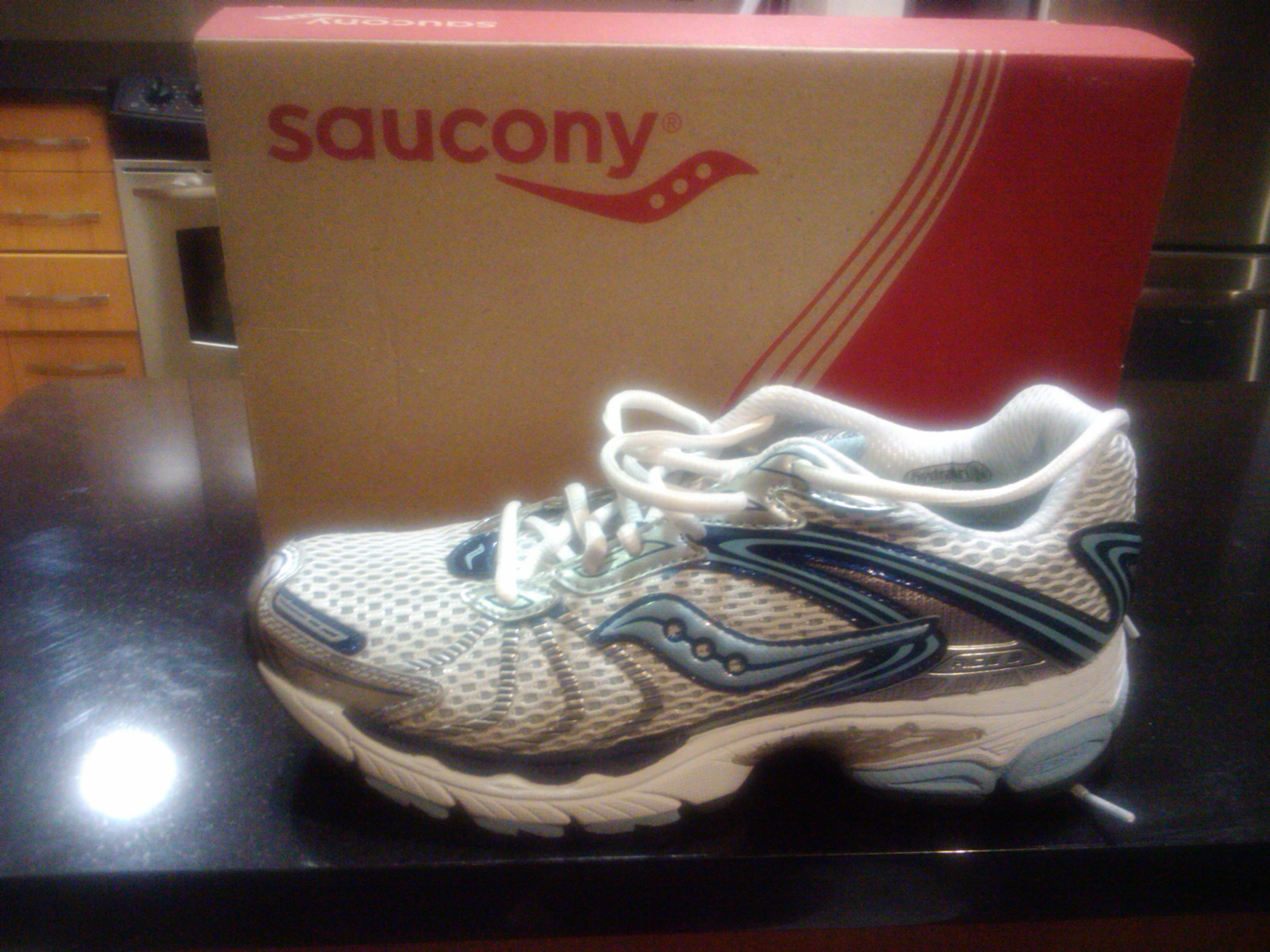
They ended up being $92 even with my 10% discount for being a member of the Dallas running club. It hurt paying almost $100 for new shoes, but I knew it was much needed. Here are a few running quick tips I got while buying my new shoes.
- Wear synthetic socks, because cotton socks absorb moaisture and can cause blistering as well as running without socks at all
- Buy your shoes a 1/2 size too big because when you run your feet swell
- A shoe wears out after about 350 miles. After that, it doesnt absorb the shock from your foot hitting the ground
There is a world of information out there on running shoes, but I hope this basic overview equiped you with enough info to make an informed runnign shoe purchase.




Pingback:Product Review: Reebok DMX Sky #livewithfire